Outrageous Acts of Science Woman Martial Arts Outrageous Acts of Science Chloe Bruce
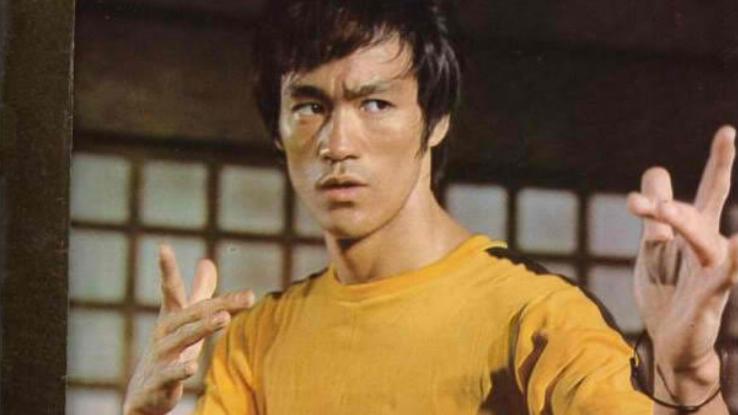
The world knows his name, merely not many people know his story. ESPN'southward exceptional documentary, Be Water, shows how much Bruce Lee struggled as an Asian American in Hollywood and the many opportunities he lost due to racism. However, his ambition to rise above was stronger than his fear.
Despite frequently experiencing rejection and racism, Bruce Lee dramatically changed the film industry, using martial arts and his inclusive mental attitude. He was the underdog who became a cultural hero and left a long-lasting legacy. This is how Bruce Lee fought racism while condign a martial arts icon.
Bruce Lee Kicked Stereotypes to the Curb
Bruce Lee never felt aback of existence Asian; he was incredibly proud of information technology. That'south ane reason why he refused to play outrageous stereotypes of Asian Americans on TV and in films. For a long time, Asian Americans take been portrayed as the villain, servant or buck-toothed loser. (We're looking at you, Breakfast at Tiffany's and 16 Candles.)
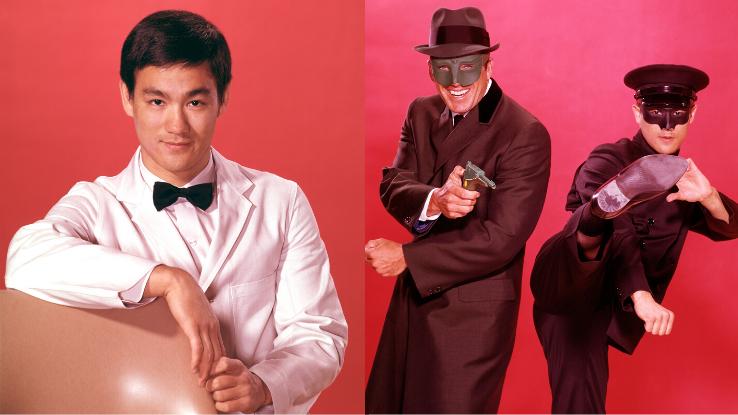
This put Lee in a tough spot in Hollywood. Withal, he got the office equally Kato, the handsome sidekick in The Dark-green Hornet Television evidence. There were no prejudiced images of Asian Americans for him to portray, but he experienced other problems. For example, he had very few lines, and the studio paid him unfairly — more than two times less than anybody else. While the show's star, Van Williams, received $2,000 per episode, Lee just got $400 an episode.
He Welcomed Everyone to His Schoolhouse During the Time of Segregation
In the 1960s, U.Due south. society was segregated, and many businesses and facilities discriminated against people based on race, except for one place: Lee's martial arts studio. He opened his school to everyone, no thing their race, gender or age. In fact, his first student was a Blackness man named Jesse Glover.
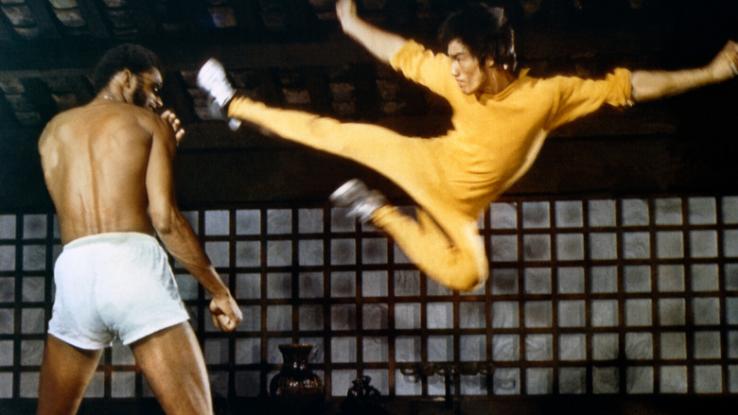
The martial arts master also shared his Chinese culture with megastars, from basketball player and activist Kareem Abdul-Jabbar to actress and fashion model Sharon Tate. "I am a human being that never follows these formulas of the fear-mongers. So, no matter if your color is blackness or white, red or blue, I can still brand friends with you without whatsoever bulwark," explained Lee.
He Lost Lead Roles but Didn't Give Upward
Also dismantling prejudiced stereotypes, Lee too had another struggle to overcome: landing a atomic number 82 function as an Asian-American actor. He actually proposed his ain Television set series chosen The Warrior, merely the studio didn't bandage him because of his ethnicity and went for a caucasian role player instead.
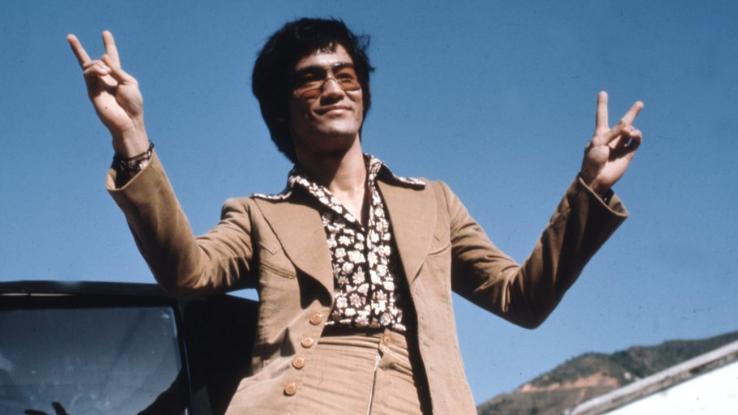
Lee finally got his chance in Hong Kong, where he obtained his first major part in The Big Dominate (1971) and another in Fist of Fury (1972). The "No Dogs and Chinese Allowed" prune from Fist of Fury is considered Lee's most compelling scene in the film; in it, his character destroys a racist sign and beats anyone who dares to demean him.
He Married His Wife Before Interracial Marriage Was Fully Legal in the U.S.
Linda Lee Cadwell was one of Lee's students earlier becoming his wife. At the beginning of their matter, Cadwell kept their love a hugger-mugger from her family because they were against interracial relationships. However, they found out after Cadwell and Lee applied for a marriage document.
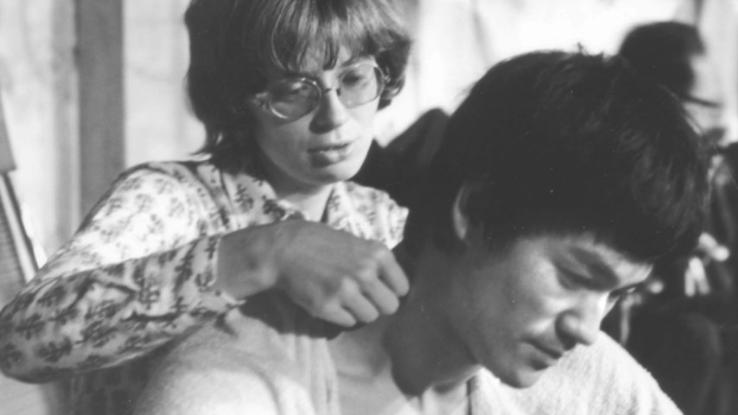
The press published the couple'south news, emphasizing that it was still confronting the law in multiple states. Cadwell'southward parents tried to convince the two to break upwardly, but Cadwell and Lee refused to exercise it. Cadwell'south parents grew fond of Lee as they got to know him. The couple'due south family also grew when Cadwell gave nascence to their children, Brandon and Shannon.
Lee Became His Own Boss to Attain Superstardom
In America, Lee was tired of proving his worth as an actor. Racism consistently prevented him from achieving higher levels of fame. He moved to Hong Kong to write his own films and open up a production visitor, but most importantly to send a message: Asian Americans can play lead roles in major films and change the entertainment manufacture.
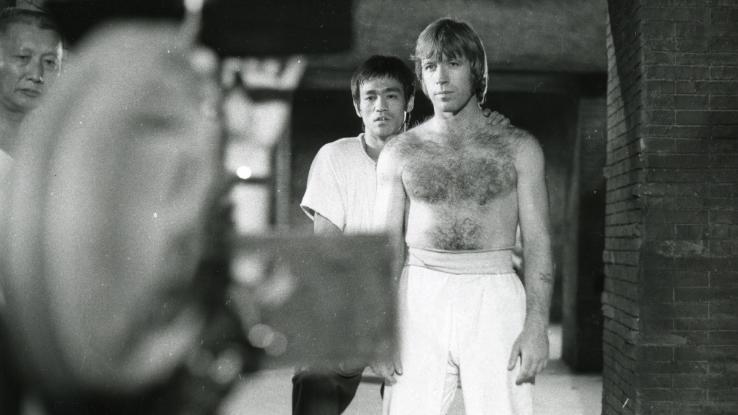
Lee did exactly what he said he would do. He wrote, co-produced, directed and starred in Hong Kong's The Fashion of the Dragon (1972), which coincidentally propelled Chuck Norris' interim career. The martial arts film was also produced past Lee's very own company, Concord Production Inc. This was the first fourth dimension the earth saw that Lee was a human being of many talents — and it wasn't going to exist the last time, either.
He Gave Hollywood a Second Gamble and Wowed Everyone
Lee'south repeated success in Hong Kong grabbed the attending of a powerful studio across the world, Hollywood'due south Warner Brothers. Concord Production Inc. teamed upwardly with Warner Brothers to produce Enter the Dragon (1973), which featured an Asian-American lead: Lee. However, working with Warner Brothers wasn't piece of cake. According to Lee's daughter, Shannon, her father had to push for many of the movie's key scenes.
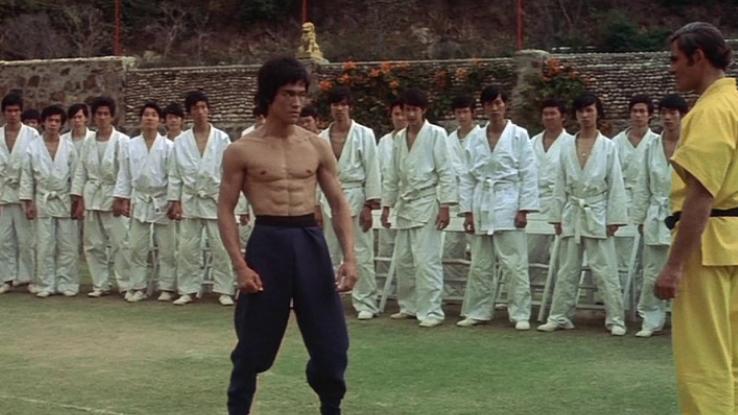
In the end, Lee's battle was worth it. Enter the Dragon earned a whopping $ane billion (adjusted for inflation) worldwide, sparking a surge of mainstream interest in martial arts. In 2004, the Library of Congress preserved the film in the United States National Film Registry, calling it "culturally, historically or aesthetically significant."
Lee showed that Asian Americans can be strong, sexy and heroic. Not only did he destroy ancient stereotypes, just Lee also influenced a martial arts move. He inverse the mode people chronicle to action films past using martial arts, showing them that a hero doesn't need guns or gadgets to fight criminal offence and injustice; all they demand is themselves.
Source: https://www.ask.com/entertainment/bruce-lee-fought-racism-becoming-martial-arts-icon?utm_content=params%3Ao%3D740004%26ad%3DdirN%26qo%3DserpIndex

Enviar um comentário for "Outrageous Acts of Science Woman Martial Arts Outrageous Acts of Science Chloe Bruce"